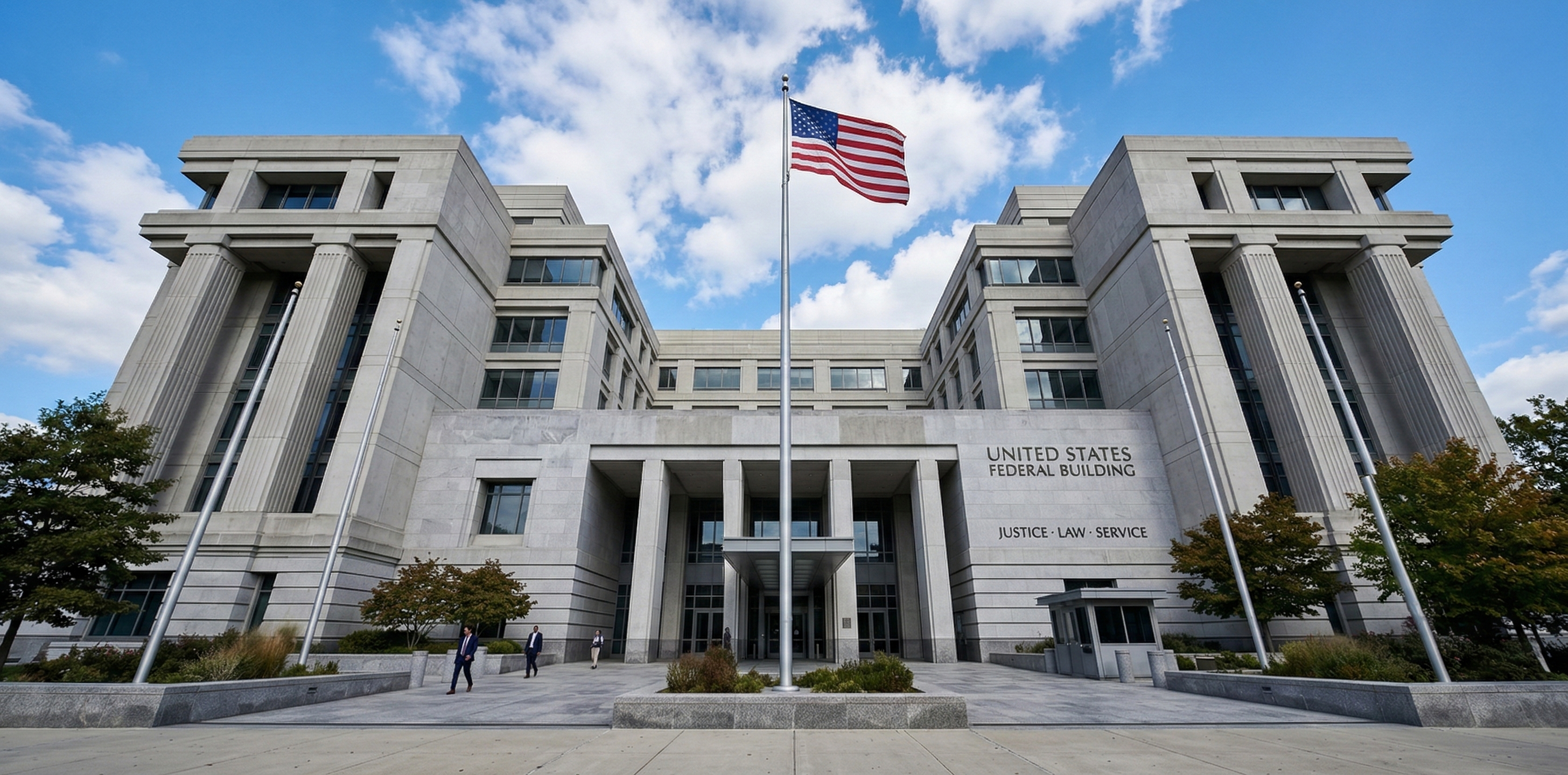
EEOC and California Civil Rights Claims
Filing an employment discrimination complaint involves navigating complex administrative processes at both the state and federal level. We guide you through every step — from initial filing through litigation.
Employment Law
Navigating EEOC and CRD Complaints in California
When you experience workplace discrimination, harassment, or retaliation, you often cannot go directly to court. Federal and state law typically require you to first file an administrative complaint with the appropriate agency. This process can be confusing and the deadlines are strict. At The Law Offices of Farris Ain, we guide employees through every stage of the administrative complaint process—from filing with the EEOC or CRD through obtaining a right-to-sue letter and pursuing litigation when necessary.
The Equal Employment Opportunity Commission (EEOC)
The EEOC is the federal agency responsible for enforcing federal workplace anti-discrimination laws. The EEOC investigates charges of discrimination filed against employers with 15 or more employees (20 or more for age discrimination under the ADEA). The federal statutes enforced by the EEOC include:
- Title VII of the Civil Rights Act of 1964: Prohibits discrimination based on race, color, religion, sex (including sexual orientation and gender identity), and national origin
- Age Discrimination in Employment Act (ADEA): Protects workers aged 40 and older from age-based discrimination
- Americans with Disabilities Act (ADA): Prohibits discrimination against individuals with disabilities and requires reasonable accommodations
- Equal Pay Act (EPA): Requires equal pay for equal work regardless of sex
- Genetic Information Nondiscrimination Act (GINA): Prohibits discrimination based on genetic information
- Pregnancy Discrimination Act (PDA): Prohibits discrimination based on pregnancy, childbirth, or related medical conditions
California’s Civil Rights Department (CRD)
The California Civil Rights Department (CRD), formerly known as the Department of Fair Employment and Housing (DFEH), is the state agency that enforces the Fair Employment and Housing Act (FEHA). FEHA is California’s primary anti-discrimination statute and provides protections that are broader than federal law in several important ways:
- Lower employer threshold: FEHA applies to employers with five or more employees (and to all employers for harassment claims, regardless of size)
- More protected categories: In addition to the categories covered by federal law, FEHA protects against discrimination based on marital status, sexual orientation, gender identity, gender expression, military or veteran status, medical conditions, and genetic information
- Longer filing deadline: Three years versus 300 days at the federal level
- No damages cap: Unlike federal law, FEHA does not cap compensatory or punitive damages
- Individual liability: Supervisors can be held personally liable for harassment under FEHA
When to File with Each Agency
Choosing whether to file with the EEOC, the CRD, or both depends on the specifics of your case:
- Federal claims only: If your claim falls exclusively under federal law (for example, a GINA claim), you would file with the EEOC.
- State claims only: If your claim involves a category or protection unique to FEHA (such as marital status discrimination), you would file with the CRD.
- Overlapping claims: Most employment discrimination claims are covered by both federal and state law. In these cases, filing with either agency can protect your rights at both levels, thanks to the work-sharing agreement between the EEOC and CRD.
The Dual-Filing and Work-Sharing Agreement
The EEOC and CRD have a work-sharing agreement that allows a charge filed with one agency to be automatically “cross-filed” or “dual-filed” with the other. This means:
- Filing a charge with the CRD can simultaneously preserve your right to pursue a federal claim, and vice versa
- One agency typically takes the lead on investigating the complaint, while the other defers
- You generally do not need to file separate complaints with both agencies, though there are exceptions depending on the specific circumstances
Having an attorney involved early ensures that the filing is structured to preserve all available claims at both the state and federal level.
The Complaint Process: Step by Step
While the specific procedures differ slightly between the EEOC and CRD, the general process follows these stages:
- Intake and filing: The process begins with filing a formal charge of discrimination. This document describes the alleged discriminatory conduct, identifies the employer, and specifies the legal basis for the claim. The charge must be filed within the applicable deadline.
- Notice to employer: The agency notifies the employer of the charge and provides an opportunity to respond.
- Investigation: The agency may request documents, conduct interviews, and gather evidence from both the employee and employer. The scope and thoroughness of the investigation can vary significantly.
- Mediation (optional): Both the EEOC and CRD offer mediation programs where a neutral mediator attempts to facilitate a resolution between the parties. Mediation is voluntary and confidential.
- Determination: After investigation, the agency issues a determination. The EEOC may find “reasonable cause” or “no reasonable cause.” The CRD may similarly find sufficient evidence to proceed or close the case.
- Right-to-sue letter: Regardless of the agency’s determination, the employee can request a right-to-sue letter, which authorizes them to file a lawsuit in court.
Right-to-Sue Letters
A right-to-sue letter is the gateway to filing a lawsuit. The rules differ between the state and federal systems:
- CRD right-to-sue: In California, you can request an immediate right-to-sue letter from the CRD at the time of filing, without waiting for the agency to investigate. Once you receive this letter, you have one year to file a lawsuit in state court.
- EEOC right-to-sue: You can request a right-to-sue letter from the EEOC after filing, or the EEOC will issue one after completing its investigation or determining it will not proceed. Once you receive the federal right-to-sue letter, you have only 90 days to file a lawsuit in federal court.
Because the federal 90-day deadline is particularly tight, it is crucial to have an attorney ready to act as soon as the right-to-sue letter is received.
Filing Deadlines
The filing deadlines for administrative complaints are strict and missing them can permanently bar your claim:
- EEOC: In California, you must file your charge within 300 days of the discriminatory act (because California is a “deferral state” with its own enforcement agency)
- CRD: You must file within three years of the discriminatory act under FEHA (extended from one year by AB 9, effective January 1, 2020)
In cases involving a continuing violation—an ongoing pattern of discrimination or harassment rather than a single incident—the deadline may be measured from the most recent act in the pattern. However, this doctrine has limitations, and earlier incidents can become time-barred if too much time passes between them.
Why Having an Attorney Early Matters
While you can file an EEOC or CRD complaint on your own, having an experienced employment attorney involved from the beginning provides significant advantages:
- Preserving all claims: An attorney ensures your charge is drafted to cover all applicable state and federal causes of action, preserving every available legal theory
- Meeting deadlines: With different filing windows at the state and federal level, an attorney ensures no deadline is missed
- Gathering evidence early: The strongest cases are built from the beginning. An attorney can help you document events, preserve electronic communications, and identify witnesses before evidence is lost
- Navigating mediation: If the agency offers mediation, an attorney can evaluate whether settlement is in your best interest and negotiate effectively on your behalf
- Transitioning to litigation: If the administrative process does not resolve your claim, an attorney is ready to file suit immediately upon receiving a right-to-sue letter
“The administrative process is complex, but it opens the door to justice. We ensure every deadline is met and every option is preserved.”
Need Help Filing a Discrimination Complaint?
Whether you are filing with the EEOC, the CRD, or both, we will make sure your complaint is thorough, timely, and positions your case for the strongest possible outcome.