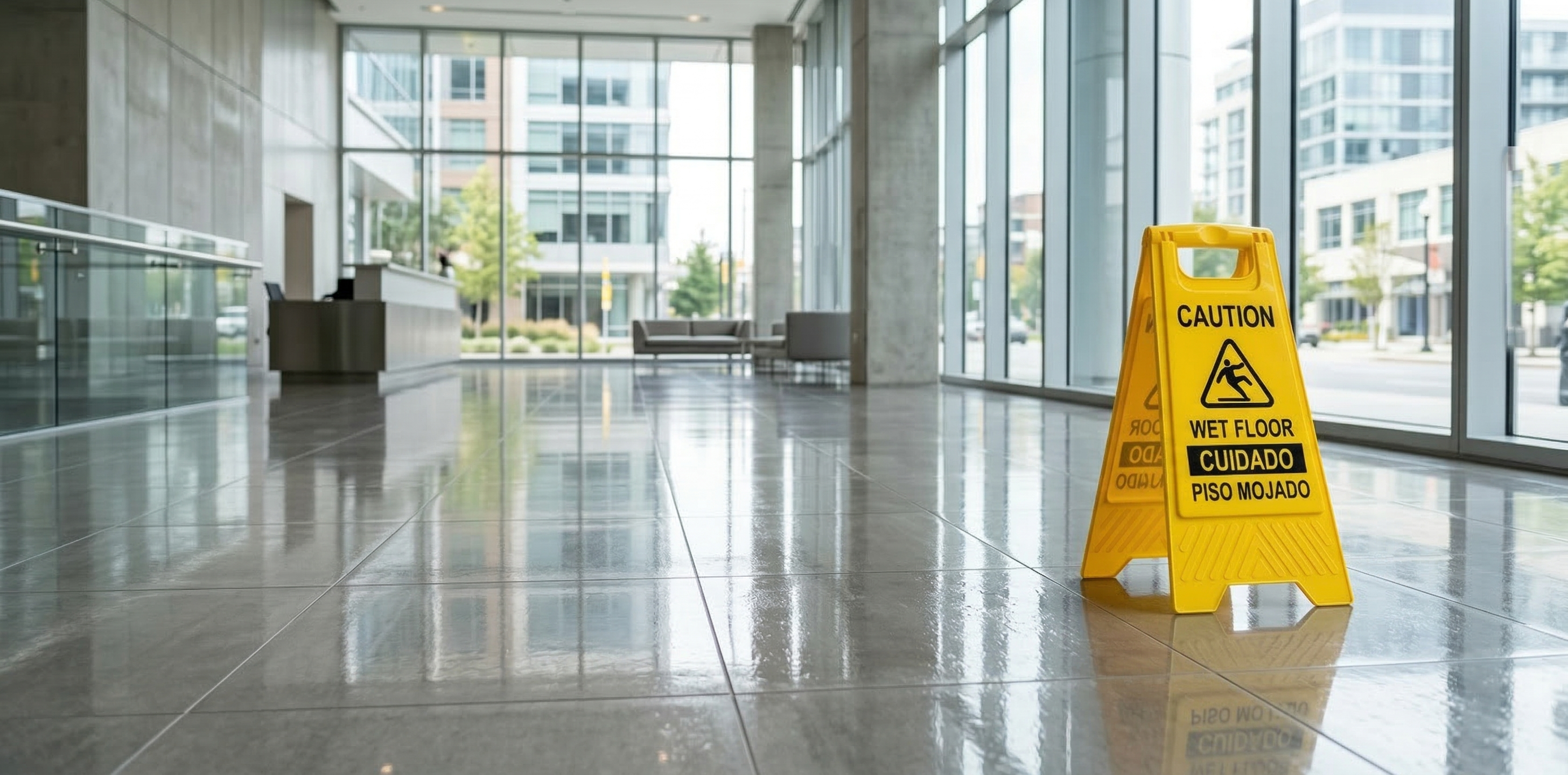
Slip & Fall Claims
Property owners have a legal duty to maintain safe conditions for visitors. When they fail and you are injured, they must be held accountable. Slip and fall cases may seem straightforward, but proving liability requires thorough investigation and experienced legal representation.
Personal Injury
California Slip and Fall Law
Slip and fall accidents are among the most common causes of serious injury in California. A fall on a wet grocery store floor, an uneven sidewalk, or a poorly lit stairwell can result in broken bones, head trauma, spinal injuries, and chronic pain that lasts a lifetime. At The Law Offices of Farris Ain, we investigate these cases thoroughly to establish liability and pursue full compensation for our clients.
Premises Liability Under California Law
Slip and fall cases fall under premises liability—the legal principle that property owners and occupiers have a duty to maintain their property in a reasonably safe condition. Under California Civil Code § 1714, everyone is responsible for injuries caused by their failure to exercise ordinary care in the management of their property.
Unlike many other states that use a complicated classification system based on whether the injured person was an invitee, licensee, or trespasser, California applies a general duty of care standard following the landmark decision in Rowland v. Christian (1968) 69 Cal.2d 108. This means property owners owe a duty of reasonable care to all persons on their property, though the specific circumstances of the visit remain relevant to determining what is “reasonable.”
The Notice Requirement
One of the most critical elements in any slip and fall case is proving that the property owner knew or should have known about the hazardous condition. California law recognizes two forms of notice:
Actual Notice
The property owner or their employees were directly aware of the dangerous condition. For example, an employee who saw a spill on the floor but failed to clean it up or place a warning sign has actual notice.
Constructive Notice
Even if no one directly observed the hazard, the property owner may be charged with constructive notice if the condition existed for a sufficient length of time that a reasonable inspection would have discovered it. Courts consider factors such as:
- How long the hazardous condition existed before the accident
- Whether the property owner had a reasonable inspection protocol in place
- Whether the hazard was obvious or hidden
- Whether the area was one where hazards were foreseeable (e.g., near a produce section or ice machine)
In some cases, the property owner may have created the hazardous condition themselves, eliminating the need to prove notice entirely.
Common Slip and Fall Hazards
Based on our experience handling these cases, the most common hazardous conditions include:
- Wet or slippery floors: Spilled liquids in grocery stores, freshly mopped floors without warning signs, rain-slicked entryways without mats
- Uneven surfaces: Cracked or buckled sidewalks, raised thresholds, uneven flooring transitions, parking lot potholes
- Poor lighting: Inadequately lit stairwells, parking garages, hallways, and walkways that prevent visitors from seeing hazards
- Broken or missing handrails: Stairways without proper handrails or with loose, broken railings that fail when grasped
- Debris and obstacles: Merchandise left in aisles, extension cords across walkways, construction materials in common areas
- Weather-related hazards: Failure to address ice, snow, or standing water on walkways and entryways
- Defective stairs and steps: Worn carpeting on stairs, inconsistent step heights, loose tiles
Comparative Negligence in Slip and Fall Cases
California’s pure comparative negligence system means that the defense will almost always argue that the injured person was partially at fault—for not watching where they were going, wearing inappropriate footwear, or ignoring warning signs. Under this system, your damages are reduced by your percentage of fault, but you can still recover even if you are found to be more than 50% at fault.
Insurance companies aggressively use comparative fault arguments to minimize payouts in slip and fall cases. An experienced attorney knows how to counter these arguments by focusing on the property owner’s failure to maintain safe conditions.
Government Property Claims
If your slip and fall occurred on government property—a public sidewalk, government building, public park, or public transit facility—special rules apply. Under Government Code § 911.2, you must file a government tort claim within six months of the incident, well before the general two-year statute of limitations. Failure to file this claim within the six-month window can permanently bar your case.
Government entities also have specific immunities and defenses not available to private property owners, making these cases particularly challenging. It is critical to consult an attorney immediately after a fall on government property.
Common Injuries in Slip and Fall Cases
Falls can cause injuries far more serious than most people expect, particularly for older adults:
- Hip fractures: Especially dangerous for elderly victims, often requiring surgery and extended rehabilitation
- Traumatic brain injuries: Head strikes during a fall can cause concussions, subdural hematomas, and other brain injuries
- Spinal injuries: Herniated discs, compression fractures, and spinal cord damage
- Wrist and shoulder fractures: From instinctive attempts to break a fall
- Knee and ankle injuries: Torn ligaments, fractures, and chronic joint instability
Statute of Limitations
The general statute of limitations for slip and fall claims in California is two years from the date of the accident under CCP § 335.1. However, as noted above, claims against government entities require a tort claim within six months under Government Code § 911.2.
“Property owners have a responsibility to keep their premises safe. When they cut corners on maintenance and someone gets hurt, they need to be held accountable.”
Injured in a Slip and Fall?
Do not let the property owner or their insurance company dismiss your injury. Contact us for a free consultation to discuss your case and legal options.